Colorado Skiing & Snowboarding Telluride Travel: Colorado Skiing & Snowboarding Telluride Travel
by admin
leave a comment
Telluride Ski Resort is Tantamount to Fun
Not long after I returned home from my month of travels back east, I tuned in to the constant comings and goings of a helicopter whirring in the skies near my little slopeside apartment. There was so much activity, in fact, that I said a prayer for the people involved since choppers in the mountains typically mean a search and rescue mission. My concern swelled until someone enlightened me, informing me that the copter operation concerned the ski area; these workhorses of the sky had been engaged to deliver lift shacks, towers and other materials to an elevation of over 12,000 feet for the installation of the new Revelation Lift. Oh, of course, I thought to myself and my mood quickly changed from one of dread to elation.
I chatted about Revelation Lift and more with Dave Riley, CEO of Telluride Ski and Golf, during a recent Travel Fun interview. Entering his second year on the job, Dave has a lot to be proud of at Telluride Ski Resort. He has been instrumental in opening up a bunch of new terrain including Palmyra Peak, Black Iron Bowl, Gold Hill Chutes 6-10 and now Revelation Bowl which will be ready to go with the start of this new ski season.
“I have to give the ski patrol a lot of credit for most of these openings,” Dave said during our interview. Much avalanche control work was required to pave the way for the public and ski patrol did double time with this last winter, particularly since it was a banner snow year. It seems that almost as a reward to them, Dave went ahead and leased some fancy Howitzers from the U.S. Army; these 105 mm artillery weapons certainly pack enough punch to trigger slides far out on the peaks and couloirs. New snowcats have also been acquired, high-performing mountain monsters that will be winched up on at least a couple of the trails off of the Revelation Lift to guarantee some nice corduroy for those of us looking to take a break from the bumps.
I was thrilled to learn that most of the runs off of Revelation—the highest lift on the mountain which also happens to be above tree line—are single black diamonds. (Oh, what did you think I was hardcore?) “It’s like a high alpine, European bowl,” Dave says. “It’s a great snow catcher and the views are extraordinary.”
The scenery here is probably what best sets Telluride apart from most other mountain resorts in the country. “We have the largest concentration of 13,000 to 14,000-foot peaks here,” Dave points out. “It’s like the Swiss Alps of America.” We both agree, too, that the combination of the old mining town of Telluride (a National Historic District) with Mountain Village, a more recent European-styled assortment of buildings and homes works well together to suit the needs of both residents and visitors. Both are connected by a gondola, providing free transportation and outstanding views to all that ride it from the wee hours of the morning until midnight.
Dave, an incredibly passionate skier that has worked in many top destinations throughout the West, travels to four to six different ski areas a season. Sure, he’s a little biased but I can tell he’s sincere when he talks about how Telluride offers an unparalleled ski experience in North America. “Telluride is consistently good,” he emphasizes. “There are no lift lines here, there’s good sunny weather and the snow is great.”
At this point, I tap into the ski instructor within me and mention that we enjoy great teaching terrain in Telluride as well. “There’s a good balance for beginner, intermediate, expert and even extreme skiers and boarders,” I add.
“Our Ski and Snowboard School is unmatched,” Dave volleys back. “The instructors provide great instruction with a real personalized touch.”
Fabuleux! I scored one for the home team. I almost added that we all try really hard as well but I didn’t want to blur the line too much between radio interviewer/travel writer and ski instructor, especially with my boss. One thing’s for sure: We all share an immense enthusiasm for the mountain and that passion is conveyed to every person we encounter. Dave exudes it as well which is probably partly why he’s been able to improve so much on an already darn good thing.
Telluride Ski Resort, 970-728-6900, www.tellurideskiresort.com; be sure to check out Dave’s blog at that site.
Dave’s Book Pick
“Ski the 14ers: A Visual Tribute to Colorado’s 14,000-foot Peaks from the Eyes of a Ski Mountaineer,” by Chris Davenport. Ski mountaineering is one of Dave Riley’s personal passions.
Mountain Living Telluride The Rockies: Mountain Living Telluride The Rockies
by admin
leave a comment
The Perils of Mountain Living
Last week was Bear Awareness Week here in Telluride. A number of events such as a parade, a kid’s movie and seminars were held to help people become more aware of this mountain community’s bear activity and more importantly, how to respond to it. I didn’t attend a single one, mostly because I’ve been chained to my desk. Also I guess I felt like I didn’t need to raise my bear awareness any more: It was already on high alert. I’ve been increasingly coyote conscious as well, especially since I have two kitties that love to play outside where the bears and coyotes roam. (What can I say? They get fat and depressed if I sequester them in my little apartment.)
I remarked to myself how odd it looked in New York City on my recent visit when I saw basic trash bags and cans lined up along the street awaiting the next morning’s pick up. That seemed so foreign to me since I had become accustomed to seeing all forms of garbage in full lockdown mode since I moved to Colorado well over six years ago. (I was partly wondering why the garbage wasn’t hidden from NYC’s rodent population, I guess.) A bear could make many tasty meals off of our garbage, so we lock off everything from street-side trash receptacles to big waste bins outside of homes and buildings. Still, though, the bears know they can find more to feast on in Telluride and the outlying area than in the woods. (There’s, of course, always a tourist that stupidly plops out a bag of garbage, a virtual ursine offering that greatly comprises all of our community efforts.) It’s true, you’re more likely to encounter a bear lumbering through the alleyways of T-ride at 3 a.m. than on a camping expedition along the Continental Divide.
It’s easy for me to stay clear of the backstreets, but walks home at night have recently been riddled with fear. (I rarely drive here since the gondola is my primary form of transportation and I live about a ten-minute walk from the station. More on the gondola later.) I’ve seen many bears since I’ve been out here and each sighting has been thrilling, mostly in the happy sense because I’ve been at a safe enough distance from them not to feel any threat. I’m just a little concerned about coming up against one and having us both—errrrrrrrr—surprise each other. I read in a Living with Wildlife in Bear Country pamphlet that it’s best to run downhill. Well, that’s not always an option. Plus I’d hate to count on me outrunning a bear. It’s recommended to sing. So I’ve taken to singing if I come home at dark. Since I’m such an awful singer, my vocalizations frittered into more of a la-dee-dah-dee-dah. Then they transgressed into whistling, which I’m thinking might be a little too ear piercing for the bear. God only knows, maybe my bizarre sounds would throw a bear into some kind of a crazed state.
To make matters worse, I have to walk past this upturned tree stump on my way home. It never fails. Its dark, craggy roots look like a big black bear on its hind legs about to lunge for me. I shudder and cringe as I scurry by this silhouette and not surprisingly my whistling at this point sounds more like a cockatoo on the verge of hyperventilation. That darn thing gets me every time.
Maybe I’ve become too hypersensitive all around. I’ve also taken to sniffing the air. You don’t have to possess an acute olfactory awareness to smell bear. I’ve smelled bear before and it was at a distance of at least one hundred feet. It’s strong! The problem with this mode is that if you happen to get a whiff of let’s say some doggy do, it’s apt to send you into a tailspin. This very thing happened to me the other day when I was hiking, but I’m still thinking that I was picking up the scent of a bear.
Bears are most active now since they’re preparing for hibernation. The females bed down toward the end of October; the males early November. Lately I’ve been thinking maybe this is not a good time of year to be single. I’ve envisioned myself walking arm and arm with a handsome man until that dreaded moment when he’s required to fend off our Ursus americanus. We encounter the beast crouched before us, flashing incisors, paw raised and ready to tear us to shreds. Then ever so valiantly, my lover forces the bear to cower with nothing but a fierce shout and the bear skulks off into the underbrush. Oh, my great protector, my ever-so brave, prince charming.
I’m fine once I enter my humble abode. That is unless one of my kitties is still out. That one is typically Clara and I’ve had to sneak out many nights and call her, forever fearful that there might be a bear hiding in the shadows. It was midnight the other night and she still hadn’t come home. I was worried sick and even after two Tylenol PM, I only half slept. Then at two-thirty a.m. I was awakened by the howls of coyotes. Those blood curdling yelps that sound half human, half beast. I bolted out of bed, desperately searching for my pajamas and glasses and then was finally able to fly out the door. I quietly and pleadingly called, “Claraaaa, Claraaaa,” so as not to awake the neighbors. The whole while my heart raced wildly—so much so, in fact, that I was sure I could chase off both a bear and a coyote if such a situation presented itself to me. Clarie was nowhere to be found. The coyotes’ wretched sounds finally abated and only the trickling of the nearby ravine could be heard.
I returned home not knowing if my little cat was dead or alive. Five minutes later I heard her cry at the door. She strolled in like she had just spent the afternoon in the park.
I read the following in our local paper the other day under the COP SHOP: MEMO TO MOUNTAIN VILLAGE RESIDENTS: You live in a place called Mountain Village. It’s a village in the mountains. This is why bears and coyotes come near where people live. (Or, better said, some people build houses near where bears and coyotes live.) There’s no need to call the cops on every bear, raccoon or coyote you see, is there?
Calling the police about the wildlife would be the last thing I’d do. In fact, even if a bear entered my Mountain Village apartment (which is possible since the entrance door is on the ground level), I’d do my best to find a way not to call the police. I’d be afraid the poor thing would be shot.
But that doesn’t mean I’m any less fearful of bumping into one. Maybe I do need that big strapping guy in my life after all.
Colorado Division of Wildlife, 303-297-1192, www.wildlife.state.co.us; you’ll find lots of information here about how to live with wildlife.
P.S. Just days after I initially wrote this, Clara spent an entire night out, I’m convinced I saw a bobcat chase Leo, my other kitty, and my neighbor told me a mountain lion was recently spotted in the vicinity. Maybe the perils of the concrete jungle are more manageable. I can’t wait until the cold weather sets in so that most of the critters—especially my own—tuck themselves into their dens for many snow-blanketed days of slumber.
Being Green Shopping Telluride Travel: Being Green Shopping Telluride Travel
by admin
1 comment
Daryl Hannah on Green Living
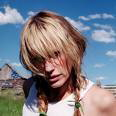
The breakdown of Daryl’s biodiesel car left her nearly stranded in Montrose, the largest city in the region situated about an hour and a half from Telluride. Clearly she was not going to make it to the KOTO studios in time to do a Travel Fun interview with me, so we chatted on the phone together instead. (Daryl was actually holed up inside one of the teepees at the Ute Indian Museum, an interesting place that I have yet to visit.)
A few technical difficulties challenged me back at the studio. I was pulling together a live program—a rarity in the almost five years I’ve been doing radio—and my button pushing faltered somewhat, particularly at one point when I forgot to turn off the DJ mike during the musical break. Half of my phone conversation with another caller was broadcasted on the airwaves. Fortunately I wasn’t chatting about anything too private! I continued with more music from the “Kill Bill,” soundtrack for the second musical break, overlooking a cut that requires keen censorship. A few F-words later, I said a big “ooops” and hoped that the FCC wasn’t tuned in. Daryl was more than gracious throughout the whole interview, particularly during my assorted goof ups. Thankfully, she clearly has a tender attachment to KOTO, Telluride’s own community radio station.
In addition to her memorable performances in the original “Blade Runner,” “Splash,” “Wall Street,” and more recently the “Kill Bill” series, Daryl has been busy championing causes and spreading the word about green living. She is a keen environmentalist. And this is not so new because Daryl has been a vegetarian since the age of eleven.
Actually Daryl is turned off by the green word. Just like with organic and sustainable, she thinks those words are overused. “They really don’t take into account the social connectedness of things,” Daryl emphasizes. “You need to consider the social aspect of everything.”
Daryl practices what she preaches when she can. “I’m trying to get off of fossil fuels and the grid as much as possible,” she says. In addition to zipping around the mountains in her not-so new—but souped up—biodiesel car, Daryl lives in a one-bedroom home out here on a mesa, a simple house built from an old barn that was going to be torn down. “It’s solar powered, nontoxic and as sustainable as possible,” she says. Many organic elements have been incorporated into the interior and exterior design including a “couch” made from locally gathered, moss-covered rocks. “I just pull off the cushions and spray wash it down every once in a while,” Daryl chuckles.

Blonde Beauty Modeling a Chain Mail Purse Made from Soda Pop Pull Tab Tops by a Womens' Artisan Co-Op in Brazil
I imagine Daryl’s Telluride home to be fairly minimalist. “I subscribe to the church of stop shopping,” she revealed. She thinks people are better off wearing old clothes and making them cool by stenciling them. She’s also an advocate of consignment stores. “Growing cotton for one T-shirt requires much too much water for that to be a sustainable product,” she explains. I unfortunately didn’t have a chance to tell her that I believe in buying quality products that you treasure forever. That’s the French way. Buying in quantity is more of an American addiction.
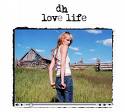
Daryl’s Web site is a good place to go to inform yourself about living less conspicuously on this planet. It’s also fun and the best way to get to know the real Daryl Hannah. You can shop there for some of her hand-chosen products such as an aluminum water bottle and a travel essential bag filled with most of her favorite travel must-haves including a safe sunscreen (most are carcinogenic), arnica (good for sore muscles), Super Salve, an ultra-rich balm that’s great for lubricating nostrils and such before, during and after airplane travel and more along with other terrific products. (Daryl also likes to bring sage from the mesa with her on her travels, but you’ll have to round up some of that on your own.)
Ecotourism is a term that Daryl feels is getting overused as well. She encourages people to look closely at places that promise to be green. For her, it’s important that ecoresorts exhibit a real connectedness with the local community. Hotelito Desconocido in Mexico and Al Karm and Babata, two ecolodges in Egypt, all destinations that Daryl features on her video blogs, are resorts committed to fostering a mutually beneficial relationship with their environs.
Daryl also encourages people to go to our National Parks more “cause nobody uses them.” She cited the Channel Islands, off the coast of California, as an example of a rare site little known to people. Her “Natural Wonder” video blog on her Web site documents this unique place and its habitat.
She’s also done a number of video blogs on people that have inspired her, people that she considers to be her heroes. In one of the video blogs, Daryl visits with Richard Branson, a well-known English business magnate, but also one of the world’s leading investors in renewable energy and resource efficiency technology.
At this year’s Telluride Film Festival, Daryl met Paul Watson, a tireless environmentalist dedicated to the protection of animal rights. He was here showing his film, “Pirates of the Sea.” Daryl plans to join up with Paul soon on his ship, and from the way she talked, I suspect he’ll soon be featured as one of her “heroes,” too.
For now, however, Daryl is in London filming “Blind Man’s Bluff” with the English actor Tom Conti.
Ute Indian Museum, Montrose, Colorado, 970-249-3098, www.coloradohistory.org/hist_sites/UteIndian/Ute_indian
Daryl’s Web site is www.dhlovelife.com
Al Karm Ecolodge, Mount Sinai, Egypt, www.awayaway-sinai.net/main/st.%20katherine_sub/al_karm
Babata Ecolodge; I’m working on finding a link!
Hotelito Desconocido, Puerto Vallarta, Mexico, 800-013-1313, www.hotelito.com
National Park Service, Channel Islands, www.nps.gov/chis
Daryl’s Book Picks
Anything by Michael Pollan. “I think they should be mandatory reading for everyone,” Daryl says. She particularly recommends “The Omnivore’s Dilemma: A Natural History of Four Meals” and his recent book, “In Defense of Food: An Eater’s Manifesto.”
Daryl also enjoys reading books that tell the story of the people and the place she’s visiting. “Love in the Time of Cholera,” by Gabriel Garcia Marquez, for example, is her suggestion for travels to South America.
Art & Culture Telluride: Art & Culture Telluride Telluride Festivals
by admin
leave a comment
Telluride Film Festival: A Moviegoer’s Lovefest
We have one little movie theatre here in Telluride, a one-screen wonder called The Nugget. It’s a rare gem housed in an historic building of the same name and it keeps Telluride moviegoers content year-round. (The Nugget Building once boasted a bank, the very place where Butch Cassidy pulled off his first heist.)
For one long weekend of the year, however, we become Cinephile Central. This has been occurring every Labor Day Weekend for the past thirty-five years. This is when the Telluride Film Festival takes over our mountain town and transforms it into a center for the appreciation of the motion picture arts. More than six hundred people—volunteers and paid staff—work before, during and after the festival to make Telluride the film capital of the world this first weekend of September. Nine very different movie screening venues are created so that film lovers from Sweden to West Africa to Hollywood can come and watch movies for over three days in optimal conditions—that’s to say in spaces where the sound and picture are nothing less than fantastic.
For some of the venues, the conversion into a first-rate movie theater occurs without many obvious changes; other locales require a near total overhaul. Take the Galaxy, for example, here the Elementary School Gym is morphed into a stunning 500-seat cinema reminiscent of the dramatic décor of renowned motion picture landmarks such as the historic Fox Theater in Detroit and The Egyptian in Los Angeles. At the Masons Hall Cinema, the 150-seat Grande Dame where I have worked the past three years, we buff and polish her and adorn her with artwork and flowers until she becomes the welcoming old friend that festival goers have come to know and love over the years.
The Abel Gance Open Air Cinema in Elks Park offers a moviegoing experience unlike any I’ve ever known. And I’m sure most people that have attended a showing here would say the same. Imagine viewing “Into the Wild” in a small park in the center of Telluride, one of the West’s most awe-inspiring destinations. You can see the shadow of the mountains behind the screen during some of the brighter scenes and even make out a good number of the mighty pines that line the slopes. As the weather turns foul in the film, so it does in the park. This being Telluride, most of these outdoorsy people are well prepared. But then it really begins to pour and slowly but surely the moviegoers disperse until only the heartiest remain, hunkered down on their nylon camping tarps, wrapped from head to toe in their super high-tech outer gear that could just as easily be used to climb some of the tallest peaks of the Rockies. The wind howls and the rain comes down in sheets, yet the picture and sound remain far superior to any you’d find in your neighborhood multiplex. This is the real deal and this is exactly what happened here last year. I saw “Being Julia” with my mom, wrapped in down coats, donned with hats and mittens, seated on our lawn chairs, at this open air cinema many years ago, and even then our movie going moment was greatly enhanced by the setting.
The movies at the Abel Gance are free as are many others throughout the festival. Some you can attend for $20. both during the festival and in the post festival line up that is presented as double features the Tuesday, Wednesday and Thursday following the actual festival. It’s true that passholders—many of whom pay exorbitant amounts of money to become part of the laminati (rhymes with glitterati and refers to the festival goers that can easily be spotted by their laminates dangling casually around their necks)—do have priority in the often city-block long queues that form for some of the films. But there are still many opportunities for your average person to catch a flick at this world renowned festival. Heck, you can even meet some really famous people up close and personal. (If that’s what floats your boat!) I became a bit of a stargazer myself at this year’s festival when I chatted up Jeff Goldblum at the Opening Night Feed, a huge dinner party of sorts that’s put on on the main street of Telluride on the Friday night of the festival. You have to be a passholder to attend this fiesta but you could always find an opportunity to get chummy with the celebs at one of the engrossing seminars that take place at noon every day throughout the festival. Or you might even just encounter a famous person on the street. (I often pass Ralph and Ricki Lauren on the sidewalk during the festival.)
Tellluride is so low-key that well-known people can move about freely here during the Film Festival or any other time of the year. Nobody really cares in Telluride and any star ogling is frowned upon mightily. (Paparazzi of any kind is nonexistent in T-ride and you never see any mention or photos in the papers of a star sighting in town.) Unlike Cannes, the Telluride Film Festival is not about the stars even though many famous people have been invited here for this event. TFF is devoted to the movies themselves, old and new, long and short, foreign and domestic, animated or not. Also unlike Cannes, it is not a working festival but instead it provides the opportunity for filmmaker and film enthusiast to come together to discover and pay homage to a great variety of works. The film “Lola Montès,” is one such example from this year’s program. It is a lovingly restored French film from 1955 about a female Don Quixote that I absolutely adored. (She was a countess, too!)
Many blockbuster films also première in Telluride but you’re apt to read about them débuting in Toronto (at their festival which takes place the weekend following Telluride’s). I’m not sure what the reason is for that, but I’d once again chalk this up to T-ride’s low profile.
As I write this, I’m hearing about films such as “Happy Go Lucky” and “Slumdog Millionaire” being released in the U.S. this fall. Both created quite a buzz here in Telluride during this year’s festival. They were written up in The Wall Street Journal—along with many others—by Joe Morgenstern, a gentleman I happened to be seated next to at this year’s Labor Day Picnic, another great tradition of the Telluride Film Festival. That’s something else that’s wonderful about TFF—you never know who you’ll be rubbing elbows with in line or at another place or happening during the weekend. The one thing you can be sure of is that everyone will be talking film.
After many days of moviegoing, I’m more than happy to just take in an occasional movie at The Nugget, one of the more historic venues of the festival that remains ours every day of the year.
The Nugget, 970-728-3030, www.nuggettheatre.com
Film Festival, 510-665-9464, www.telluridefilmfestival.org
For Those With a Lot of Time but Perhaps a Smaller Budget
Volunteering for the Telluride Film Festival is a great gig and people come from all over the country to work it and get in on the fun. It’s best to plan to come here for a week to fulfill your required hours, take in a good amount of films and maybe even head out for a hike. Housing can be an issue, however, and lodging is somewhat scarce and expensive during this time. The TFF office may be able to help out, but I also suggest you put an ad in one of the local papers (The Daily Planet or The Telluride Watch) or place an announcement (for free) on the housing line of KOTO (970-728-4334), our beloved community radio station.
Thank you to Nancy Millar Hobbs for most of the above photos that she took on her iPhone. I know Nancy, her husband, Kimbale, and their daughter, Jordan, from my little job at the Masons. They are lovely people and devoted film enthusiasts that have been very much involved with the Masons Cinema for over two decades. In their real lives, Millar and Kimbale are architects and owners of Hobbs Design.
Thank you also to my neighbor, Mike Oard, for capturing me on his cell phone in the arms of Jeff Goldblum. I’m still wondering if Jeff might call some day?
Hotels Restaurants The Rockies Travel: Hotels Restaurants The Rockies Travel
by admin
1 comment
Redstone Rendez-Vous
After having been away a month, I couldn’t wait to get back to Telluride. I just wanted to sleep in my own bed with my two kitties and bury myself into the quiet of my little mountain nest. The drive from Denver to T-ride is about seven hours and since I’m not much of a car person, I like to break it up with a stop at my brother David’s house. He and his wife, Geri, live in Redstone, Colorado, a charming little town very much at the halfway point of my Denver/Telluride journey. Normally I would stay overnight, giving us plenty of time to catch up; but the three of us were rather pressed for time, so they suggested we lunch at the Redstone Inn instead.
This historic inn anchors the village of Redstone, a National Historic District, situated in the Crystal River Valley, less than an hour from Aspen and Glenwood Springs. Built over one-hundred years ago by John C. Osgood, a coal tycoon, the inn is actually currently owned by the former owner of the Hotel Jerome in Aspen. The accommodations exude the feel of a beloved mountain inn where couples and families have been coming “to get away from it all” for generations. And the food is exceptional! This is a great place for exploring Pitkin County, its wonderful shops, restaurants and outdoor life. There’s actually a lovely little artists’ community in Redstone and you can discover most of their works in the galleries and shops lined up along the main street. For those looking to delve more into the history of the town, erected by one of America’s foremost industrialists, visit Redstone Castle to learn about the fascinating tale of Mr. Osgood’s fortune and his many wives.
Winter activities in the area include sleigh riding, dog sledding, ice climbing, cross country skiing and snowshoeing. In the summer, it’s hiking, biking, rafting, kayaking and fly fishing or just relaxing poolside.
That’s exactly what I did with Dave and Geri on the patio of the inn over some tasty sandwiches and iced teas. We talked some about The Adirondacks, a region they also hold dear to their heart. But in the end, we all concurred that we were happy to be living in two very special places in the Rocky Mountains. I gave them hugs goodbye and embarked upon the homestretch.
I drove through this most picturesque valley along the winding road that borders the Crystal River, the first part of the West Elk Loop Scenic and Historic Byway along Route 133. Towering sandstone cliffs dwarf this craggy couloir south of Redstone, yet I still slowed to see if I might spot a big horn sheep. I had caught glimpses of a few perched on the rocks above in the past; but no luck today. The valley widened again and I soon passed the sign for Marble, Colorado, another quaint village some ten miles off the road where most of the marble for our nation’s great monuments has been harvested. From here, I embarked upon the ascent to the summit of McClure Pass, one of the most scenic mountain passes in Colorado. I was grateful it was summer and there was no fear of avalanches. I pressed down on the gas to give Misty Dawn (the manufacturer’s name for the color and yes, it is also the name of a porn star), my old Subaru, a little oomph. The odometer registered just over 213,000 miles and I knew I was already slightly overdue for a tune up, so I said a little prayer and urged her on. We sailed down the ascent into Paonia and Hotchkiss, bombed through Delta and Montrose and were thankfully later delivered home safely.
Upon arriving in Telluride, I remarked the same thing to myself that I say every time I return from travels as I gaze up at that quintessential Telluride view of our boxed canyon framed by majestic peaks. This is truly one of the most magnificent places on earth. Boy, am I glad to be home.
Redstone Inn, 970-963-2526, www.redstoneinn.com
Redstone Castle, 970-963-9656, www.redstonecastle.us
Art & Culture Denver Hotels Restaurants Travel: Art & Culture Denver Hotels Restaurants Travel
by admin
leave a comment
More LoDo Love

Larimer Square (photo courtesy of DMCVB)
My late-August jaunt was such a flash trip to Denver that I didn’t have time to hit my favorite haunts, most of which are located in LoDo, Denver’s historic Lower Downtown, a 26-block area between the main part of downtown and Union Station. This section is fun to explore by foot so that you can best take in its abundance of high western Victorian buildings, many of which house interesting stores, art galleries, restaurants, bars and hotels.
When possible, I like to step into the lobby at The Oxford Hotel and breathe in its wonderful western flair; it always leaves me imagining how easterners felt arriving here a hundred years ago. “It’s an example of authenticity,” says Dana Crawford, referring to this handsome space filled with distinguishing features such as a large marble reception desk, brass lamps and artwork in the spirit of the West. As one of our country’s leading preservationists, Dana was not only the driving force behind the restoration of The Oxford Hotel, but she has also been pivotal in the entire revitalization of LoDo, a project that began in the fifties with Larimer Square and continues today with the billion dollar development of light rail coming to Union Station and the restoration of this landmark site. It is largely thanks to Dana that LoDo became one of the most handsome and historic revitalized areas of America.
Hotel Teatro represents the new face of LoDo as well as Denver’s vibrant arts scene. Housed within an historic building and situated across the street from The Denver Center for the Performing Arts, Hotel Teatro exudes a marvelous Commedia dell’Arte feeling that is both warm and welcoming and highly sophisticated. “It feels like a private residence,” says David Craig, General Manager of Hotel Teatro.
It is indeed a glorious palladio, beautifully decorated with costumes, masks and posters, all of which accent the hotel’s swank, luxurious décor. If you do stop in here, be sure to take in the magnificent theater costumes and props showcased downstairs. Hotel Teatro is also a home away from home for many renowned artists, so you never know who you might run into here. I can imagine myself sitting in the corner booth at Prima Ristorante, one of the hotel’s two restaurants operated by renowned chef Kevin Taylor, sipping a cappuccino waiting for my prince…or The Artist Formerly Known as Prince…or some other person of interest to step onto the scene.
The Oxford Hotel, 1600 17th Street, 303-628-5400, www.theoxfordhotel.com
Hotel Teatro, 1100 14th Street, 303-228-1100, www.hotelteatro.com
The Denver Center for the Performing Arts, 1101 13th Street, 303-893-9582, www.denvercenter.org
Book Pick
“Men to Match My Mountains,” by Irving Stone. “This is a great book about the opening of the West,” says Dana Crawford.
Denver Restaurants Romance & Relationships Shopping Travel: Denver Restaurants Shopping Travel
by admin
leave a comment
Night Out in Denver
I love visiting a place when it’s in the throes of a big happening. It couldn’t have gotten much bigger recently in Denver during the Democratic National Convention. The streets were buzzing with all kinds of people from all over the country, all over the world, in fact. I had never seen so many fashionable looking people in the mile high city—the old cow town myth has certainly been put to rest!
After a short while though I was feeling rather alone in the crowd. So I went and sought comfort at Tattered Cover, one of my all-time favorite bookstores and certainly one of the finest book emporiums in our country. Their LoDo, or Lower Downtown, location pleases me the best; this worked out well since that’s the area where most of the Convention hoopla was taking place.
Fortunately just as I was beginning to tire from checking my e-mails from my cozy armchair at this most welcoming bookstore, I received a call from David Craig, General Manager of Hotel Teatro, Denver’s award-winning boutique hotel. It was time for some distraction and I was more than willing to receive it from this charming man, certainly one of Denver’s most eligible bachelors.
We met at The Capital Grille, a popular address on Larimer Street (also known as Larimer Square at this level) that seemed to be a favorite among men in suits and high-heeled ladies. We were fortunate to find a table within the especially busy bar area, so we slipped into the banquette (side by side, of course!) in order to take in every bit of this bustling scene as the crisp white linens were smoothed out before us. I admired the rich mahogany paneling and original oil paintings that distinguish this handsome restaurant’s interior and was amazed when Dave informed me that there’s a Capital Grille in most gateway cities. Really you had to look very hard to find anything cookie cutter about this place.
We feasted on perfectly chilled oysters, buttered pieces of sweet, dark bread and champagne (Suntini for Dave, which is a martini made with mandarin-flavored vodka and Grand Marnier, garnished with orange slices). It was more than fun to catch up in such a manner. We had met last November at his hotel and now it was refreshing to see each other in a less professional context.
Next stop: across the street at Corridor 44. “This is the best champagne bar in Denver,” Dave said. “It’s really the only one.”
“What about Cru?” I asked.
“That’s really more for wine,” he informed me.
We both enjoyed Raspberry Truffle champagne cocktails, a delicious nectar made from raspberry vodka, Godiva chocolate liqueur and champagne and then topped off with fresh raspberries. Here, too, we were lucky to have found a couple of seats at the bar where we were perfectly positioned to take in another alluring décor, this time in a more elegant era genre reminiscent of the fifties. White leather demi-lune booths, crystal chandeliers and black and white films that played on a large T.V. screen further enhanced the romantic feel of this dreamy enclave. I was particularly taken with the quote above the bar which, not surprisingly, prompted me to remind Dave that it was indeed a French monk, Dom Perignon, who invented champagne.
Come quickly, I’m drinking stars.
—Dom Perignon
And by now, it seemed that that was very much how we both felt.
The party was only beginning, however, since the sky was just turning dark. Dave whisked me off to Writer Square, a quaint grouping of shops and restaurants between Larimer and Lawrence Streets and 15th and 16th Streets. Red Square Euro Bistro was the destination he clearly had in mind. We marched passed the restaurant’s sprawling patio filled with stylish diners into the red-walled interior of this large establishment. We hunkered down at the bar and began to chat with the warm and welcoming Steve Ryan, owner of Red Square. I gulped down several glasses of water before sampling one of their many vodkas from all over the world. Dave took a shot of the black pepper vodka, I sipped a delicious anise flavored one. Somehow the garlic vodka seemed like a bad choice.
People around us dined on elegantly presented plates of rack of lamb and Stroganoff, but we didn’t seem to have much of an appetite. We were having fun talking about all and nothing. I continued to take a few notes nonetheless although even they were becoming increasingly undecipherable. (In looking back at them, I discover one scribbled line that I’m not sure to whom it should be attributed, whether to Dave, me or someone entirely different. It reads as follows: “What I miss in discipline, I make up for in passion.” Must have been me.)
We bid goodbye to Steve and scooted across the way to Crêpes ‘n Crêpes. It couldn’t have been a more perfect choice since by now we both needed to eat something in a no-frills setting. We bellied up to the crêpe counter where we could sit and watch our crêpes being made. I instantly chatted up the young Frenchman working his magic at the burners before us; I think he was relieved to speak French with a client for a change. Dave and I agreed that sweet or savory, these were true masterpieces both in their making and in their final form. He gobbled up a banana and cream wonder while I lingered over every morsel of a mushroom (both wild and domestic) and camembert crêpe. It was perhaps the best crêpe I ever tasted.
Truly satiated, we left this pleasant eatery and the rest of LoDo with the feeling that Democratic Convention or not, Denver was definitely a fun place to hang out and as always, it’s best experienced à deux.
Tattered Cover, 1628 16th Street at Wynkoop, 303-436-1070, www.tatteredcover.com
Hotel Teatro, 1100 14th Street, 303-228-1100; www.hotelteatro.com
The Capital Grille, 1450 Larimer Street, 303-539-2500, www.thecapitalgrille.com
Corridor 44, 1433 Larimer Square, 303-893-0044, www.corridor44.com
Cru Wine Bar, 1442 Larimer Street, 303-893-9463, www.cruawinebar.com
Red Square Euro Bistro, 1512 Larimer St., Suite 38R, 303-595-8600, www.redsquarebistro.com
Crêpes ‘n Crêpes, 1512 Larimer Street, 303-534-1620
Art & Culture Food & Wine Hotels Restaurants Shopping Spas The Adirondacks Travel: Art & Culture Food & Wine Hotels Restaurants Shopping Spas The Adirondacks
by admin
2 comments
Adirondack Day Trip
It’s actually pretty hard to do a day trip to the Adirondack Park, the largest protected area in America as big as the Grand Canyon, Glacier, Yellowstone, Yosemite and Great Smoky Mountains National Parks combined. It’s also the largest National Historic Landmark in the country, yet much of the land within the Adirondack Park is privately owned including small towns, hamlets and islands. This impressive land mass—totally void of a real city—is in the middle of nowhere. But it is within driving distance of some 80 million people, so don’t expect to be completely alone in the woods. Although that can easily happen, too.
Lake Placid, the town (and, of course, lake) that to me represents the heart of the Adirondacks, is a two-hour drive from Albany and Montreal and a five-hour drive from New York City and Boston. (Although it’s only thirty minutes from I-87, also known as The Northway, if you forego the most scenic route.) The Park contains the Adirondack mountain range, some of the oldest mountains in America, verdant and thickly forested and best typified by a blue-green body of crystal clear water at their base. The High Peaks, the most formidable mountains of the Adirondacks, are located near Lake Placid which is largely why this resort town became such a hub for athleticism and outdoor activities. I find the history, culture and arts and crafts of the region to be immensely rich here as well, so that’s usually where I focus most of my attention whenever I venture into this part of the Adirondack Park.
We drove the Northway a couple of exits up from Lake George and got off the highway to pick up Route 28 at Warrensburg, a sleepy little town peppered with antique stores. I remembered when I bought a whole set of wicker porch furniture from one of the dealers for a song.
“This is where they have the world’s largest garage sale,” my mom piped up. “It takes place every year in the fall.” And then she recounted her one adventure here in her usual entertaining manner. “They all come down from the mountains,” she explained. “You’ve never seen such a conglomeration of people and baby carriages. And they’re carting and selling everything from old washboards to fine collectibles. It takes in the whole town.”
“I’d love to attend some time,” I said, imagining the whole richly regional scene. “There’s Oscar’s,” I hollered as we passed a nationally-recognized smokehouse established here in 1946.
I saw a sign for The Grist Mill, also in Warrensburg, and asked my mom if that picturesque old mill on the Schroon River was still a fine restaurant. She said it was and I softly smiled to myself with the realization that my mom was still very much on top of her game, she was in many respects my source for up-to-the-minute information on just about everything.
The drive became increasingly scenic from here to North Creek as we wended our way along the most wild section of the Hudson River. It wasn’t quite late August, yet patches of leaves were already surrendering their summer green for more autumnal hues of orange and red.
Dad napped a bit in the back seat while mom and I cruised along chatting and reminiscing, pointing out places of interest to each other as they came into view.
“Oh there’s a sign for Garnet Hill Lodge,” I exclaimed, just outside of North Creek. “That’s a wonderful place, a rustic recreation center on top of a mountain. The panorama there is really spectacular. I remember I once cross country skied up there.”
My mom, of course, had been there. I wasn’t telling her anything new.
Big old yellow school busses passed, casual coaches transformed to accommodate rafters. We even saw a bunch of whitewater thrill seekers lined up along the river.
“The lakes and waterways are full with rain,” I said. “No wonder they’re still running the river. It’s been such a wet summer.”
Referring to lakes here was like talking about mountain passes in the Rockies: There was an abundance of them and each one possessed its own particularities. A surprisingly large number of canoe-carrying cars zipped by us, reminding me of this great proliferation of lakes, streams and rivers that so distinguishes the Adirondack Park. Mom and I called out the names of the various bodies of water we passed: Indian Lake, Schroon Lake, Loon Lake, Tupper Lake and Fish Creek Ponds, names as familiar to us as those of childhood friends.
I remembered that my mom used to camp at Fish Creek with my grandparents year after year when she was young. “Now is that a lake or a series of ponds?” I asked.
“A bunch of little lakes,” my mom replied. “If we had more time, I’d like to drive in there.”
In writing this, I regret that we didn’t take the time to explore her old stomping grounds, her storehouse of memories.
After about an hour and a half of driving from Lake George Village, we entered the tiny village of Blue Mountain Lake. Here we were making our pilgrimage to the Adirondack Museum, the epicenter of history, art, culture and crafts of Adirondack life. This was my third visit here in as many decades, and each time it was more magnificent than the previous. Dad decided to sit out on the bench and read the papers while mom toured the gift shop (she’s the real shopper!) and I set off to scout out some of my favorite exhibits.
I almost darted directly to their rustic furniture collection, the largest public assemblage of rustic furniture in North America. Instead I opted for the building that housed a fleet of classic Adirondack boats. Truly some of the finest examples of craftsmanship in America, these freshwater vessels were built for both work and play. They once again reminded me of the importance of the vast network of lakes and rivers throughout the Adirondack Mountains and how people have been using these waterways for ages, both for transportation and recreation. I’ve read there are thousands of lakes in the Adirondacks which is why it takes an expert guide to know even a fraction of them.
The informed visitor realizes that the Adirondack guideboat is as identifiable with the Adirondack way of life as the Adirondack chair. (The guideboat, a sort of rowboat/
canoe, is carefully constructed so that a guide can carry it on his shoulders during the frequent portages required when traveling from one body of water to another over land, distances that often amount to a few miles or more! The Adirondack chair was designed with a straight back and seat set at a slant so that the chair would be comfortable as well as adaptable to mountain inclines. The wide armrest serves to provide a suitable resting place for a tall glass of lemonade.) Next I trotted off to the Lake View Deck where you can enjoy a wide-angle view of Blue Mountain Lake, one of the most spectacular postcard shots of the Adirondacks.
I knew my lightning tour had to draw to an end since we were on a rather tight schedule. I had only scratched the surface of this largely open-air museum made up of more than twenty indoor and outdoor exhibits. But before I left, I wanted to take a look at their paintings from the Hudson River School, extraordinary oils of Adirondack scenes that I remembered standing in front of near mesmerized when I was a young girl. They were no where to be found. My heart sank until I learned that they had been temporarily stored until January 2009 when they would be showcased again. An exhibit of museum-quality rustic artistry had taken their place which included a lot of history of the Great Camps, the grandiose family retreats built here by some of America’s wealthiest people toward the end of the nineteenth century, the Gilded Age for much of the country, especially the Adirondacks. Careful not to linger too long, I ran off to find my mom where she was just wrapping things up in the gift shop. I was glad that I didn’t have time to shop since I could tell this outpost boasted many alluring Adirondack-inspired goods from coffee table books to fleeces.
We set off looking for a place to have a picnic since by now we felt famished. We drove a short distance to Long Lake where we spotted an available bench that faced out onto this long (not surprisingly!) and very narrow lake. I sat in the middle of my mother and father like a trusted guidebook wedged in between two cherished bookends on a shelf. I didn’t know much about this fairly remote and deliciously unspoiled part of the North Country, so we just sat and snacked and took in the scene. And what a scene it was! All of us were highly entertained by the constant comings and goings of the seaplanes that taxied off and landed before us. Scenic flights and boat tours, too, appeared to be big business on this sliver of a lake which I imagined held many nooks and crannies of great interest. It was a perfect day for flying, boating, swimming (the adjacent public beach bubbled with activity) or just gazing out upon the water. The whirring and gurgling of the planes and boats, mixed with the cries from the kids on the beach and the birds overhead, created quite the memorable Adirondack soundtrack. Our Kodak moment was further enhanced by the savory picnic my mom had packed which included cheese, chips, supersatta, olives, hard boiled eggs, crudités and grapes.
I left my parents on the bench and scurried off to check out the scenic flights and boat tours. At $40. per person for a twenty-minute fly over and $30. for an hour and a half boat cruise, I found it all to be quite affordable. I turned around to admire the Adirondack Hotel across the street and sensed from its old and sturdy exterior that it was the sort of authentic place at which I would like to stay. I toyed with the idea of taking a quick tour around, but I didn’t want my parents to grow too weary too soon of my investigating. It’s always nice to save something for next time in any event.
We continued along the scenic byway passing signs such as Trail’s End Bar or High Peaks 26 miles that conjured up images of hikers and outdoor enthusiasts testing their meddle in these rugged mountains renowned for their quiet beauty but also for their highly changeable weather, swollen population of bugs and an occasional rattlesnake.
When we passed a sign for Raquette Lake, mom reminded me about the Sagamore, the Adirondack Great Camp built for the Vanderbilts, which is now a National Historic Landmark open for tours. “You can also take a wonderful boat ride on the lake,” she added.
She had done both; I had not.
Our own little Adirondack trail spliced through Tupper Lake, then edged its way around Saranac Lake, one of the coldest places in the country in the winter.
“This is where a lot of the elite have homes,” my mom explained. “Jane Pauley, Gary Trudeau…”
My mom continued with her many tidbits and tales, much of which she regularly gathered from watching a lot of morning television and reading the papers. I loved it when she served as my tour guide. Dad remained silent throughout most of this, mainly since he was either napping or didn’t hear us. Or perhaps he just wanted to tune out our jabbering.
We pulled into Lake Placid, all three of us eager for a good cup of coffee. Our tour was scenic, yet long. I suggested we go directly to the Mirror Lake Inn, a grand old lodge, rendered even more elegant with the addition of today’s most sought after amenities. It happened to be teatime here and we were invited to stay for a refreshment since I was meeting with someone from the hotel for a little tour. My parents stowed themselves away within the inn’s handsome library while I took in the highlights of this renowned place of lodging.
I was particularly enamored with the lakefront comprised of a big, beautiful old boathouse, a sandy beach, an ample line up of Adirondack chairs and lounge chairs and an assortment of boats—from kayaks to canoes—that would be the envy of any Adirondack vacationer. You could sit here and stare out onto the lake for hours. This lake, which is actually Mirror Lake, is especially pristine since no motor boats are allowed. (Mirror Lake is the lake you see from the town of Lake Placid; Lake Placid, the lake, is just a short distance away.) I poked into The Cottage, a great-looking pub perched at the water’s edge. The deck looked especially inviting on this bright, sunny day but I also learned that it’s open a fair amount year round, thanks to space heaters.
The caffeine perked all three of us up enough to stroll down the main street of Lake Placid—just a short distance from the Inn—to browse in a few shops. I was thrilled to see that the Adirondack Museum had a satellite store here, which for me, was the highlight of all that I took in on the street. Some sales were going on in the many outdoor stores, but I refrained since they were mostly featuring the sort of clothing and gear I can find back home in the Rockies.
Dad just bobbed along throughout all this, a most agreeable travel companion that I hoped would join my mother and me on future excursions.
We all brightened considerably back at Mirror Lake Inn where we had decided to have an early dinner. The three of us greatly appreciated the understated elegance of this fine resort. We settled in to a corner table next to a large bank of windows in their award-winning restaurant, The View. Here we relaxed from the busyness of the day, feeling tremendously soothed by the tranquil views of the lake laid out before us.
“I think you need to get out on the water when you visit the Adirondacks,” I commented to my parents. “Whether you take a ride in a big boat or in a canoe, that’s such a huge part of the Adirondack experience.”
My parents concurred and I could tell they were thinking about all the cruises we took in our boat back on Lake George.
“Sitting here, admiring this scene is pretty special, too,” my dad added. “Particularly in front of such a delicious meal.”
He was quite right about that and there’s no doubt the dining was first class.
“I just wish I could check in for a few days and have lots of fun exploring the area,” I said somewhat sad and frustrated about having to leave so soon. “I’d like to dig deep into some of the shops on the outskirts of town, attend one of the special antiques shows and maybe even take a little paddle on the lake.”
“Wouldn’t that be nice,” my mom replied with both a wink and a smile. “Maybe next time.”
Lake Placid is a two-hour drive from Albany and Montreal and a five-hour drive from New York City and Boston. The closest major airports are in Albany and Montreal.
Warrensburg Garage Sale, 518-623-2161 (Chamber of Commerce), www.warrensburgchamber.com and www.warrensburggaragesale.com; the sale typically takes place the first weekend of October.
Oscar’s Adirondack Smoke House, 800-627-3431, www.oscarssmokedmeats.com
The Grist Mill, Warrensburg, 518-623-8005, www.menumart.com/gristmill
Garnet Hill Lodge, North River, 518-251-2444 and 800-497-4207, www.garnet-hill.com
Adirondack Museum, Blue Mountain Lake, 518-352-7311, www.adirondackmuseum.org; note that the museum also conducts many tours and educational programs. Their Rustic Furniture Sale, Fabric and Arts Festival and Antiques Show and Sale—all held at the museum in September—are of particular interest.
Helms Aero, Long Lake, 518-624-3931 and 518-624-3561; they offer scenic flights as well as fishing and hunting day trips and charters.
Long Lake Boat Tours, Long Lake, 518-624-LAKE
Adirondack Hotel, Long Lake, 518-624-4700, www.adirondackhotel.com
Great Camp Sagamore, Raquette Lake, 315-354-5311, www.sagamore.org
W.W. Durant boat tour, Racquette Lake, 315-354-5532, www.raquettelakenavigation.com
Mirror Lake Inn Resort and Spa, Lake Placid, 518-523-2544, www.mirrorlakeinn.com; The Cottage is part of Mirror Lake Inn and is open to the public along with the Inn’s other restaurants and spa.
Adirondack Museum on Main, 75 Main Street, Lake Placid, 518-523-9074
More Tours and Visits
Adirondack Canoeing Vacation Planners, outfitters in three different locations including Saranac Lake and St.Lake, 888-775-2925, www.canoeoutfitters.com; they offer rentals and sales of all kinds of Adk small pleasure craft and gear as well as a variety of touring services.
Raquette River Outfitters, Tupper Lake, 518-359-3228, www.raquetteriveroutfitters.com; reputable place for rentals and purchase of canoes, kayaks and camping gear.
More Shopping
Blue Mountain Designs, in the village of Blue Mountain Lake, 518-352-7361
Adirondack Decorative Arts and Crafts, 2512 Main Street, Lake Placid, 518-523-4545; three floors of Adk arts and crafts are showcased here.
Twigs, 121 Cascade Road, Lake Placid, 518-523-5361; located about a mile out of town, this store features antiques, regional crafts and artwork.